




Listen
Live On The Air
Archives - Previously Aired
Program Schedule
Program Information
Donate
One-Time Cash Donation
Donation With Thank-You Gift
Monthly Donation - BAI Buddy
Ways to Donate
Get To Know Us
About Us
Staff
Mission
Pacifica Foundation
Local Station Board
Community Advisory Board
Our Partners
Employment
Let Us Help You
Announcements
Premiums Customer Care
Submit Event To Calendar
Membership
Newsletter Archives
Subscribe To Newsletter
Help Us
Volunteering + Internships
Marketing + Advertising
Contact Us
By Phone Or Email
Call-In Fund Drive Pledges
Directions
Naturalistic Support
Wed, Dec 2, 2026 2:00 PM
HERE COME THE RELIGIOUS PROGRESSIVES!
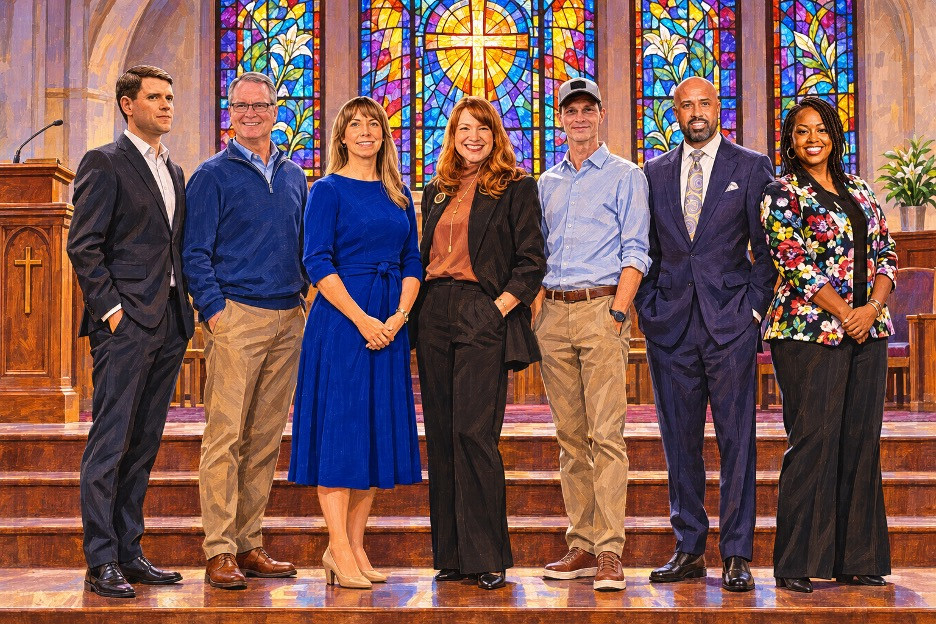
The November 3, 2026 midterm elections were an extraordinary moment for progressive religious politics. James Talarico, a Presbyterian seminarian who made love of neighbor and opposition to Christian nationalism central to his campaign, won a United States Senate seat in Texas. Adam Hamilton, the United Methodist pastor of the Church of the Resurrection, won a Senate seat in Kansas after campaigning on decency, kindness, affordability, and cooperation across political divisions.
These, and several other newly elected liberals and progressives, assert that, when properly understood, Christianity supports progressive policies. But reliance on ancient religious texts and traditions is a double-edged sword. While making a strong religious connection might help a progressive or liberal candidate get elected or promote a compassionate program, it may also reinforce beliefs that ultimately weaken our commitment to progressive change. This is what happened to many of the progressive policies of the 1960’s and early 1970’s.
The view of human nature conveyed by most Abrahamic religions is that we are naturally selfish, greedy, and unwilling to contribute unless coerced. And the view of human behavior is that humans are unconstrained by the law of causation and therefore, regardless of circumstances, we are all free to act as we choose. These beliefs have supported a highly conservative agenda throughout most of American history.
A Naturalistic Humanist view of the human experience might be more effective in supporting progressive change that lasts. Join us as we consider how.